
Learning by Ear in Practice
Language Learning and Music — Pronunciation, Rhythm, and Vocabulary
A song can be an inviting way to notice sound patterns and repeat useful phrases. Singing is not the same as understanding spontaneous speech, however, so it helps to know where songs fit.
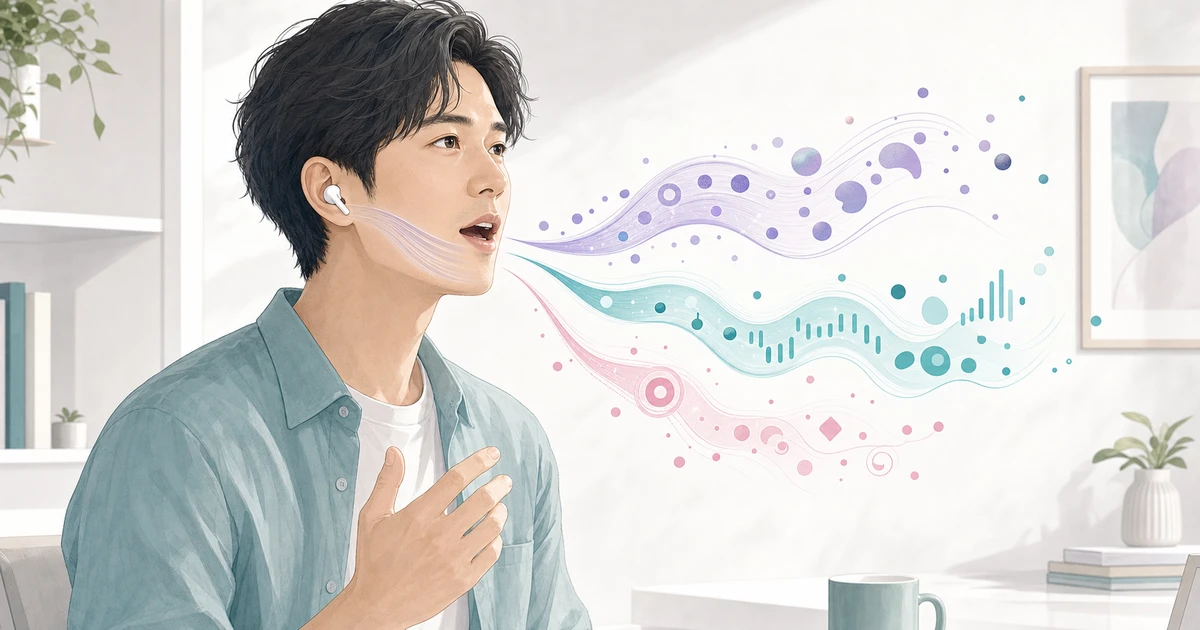
A language is, first of all, a rhythm (prosody)
Languages are traditionally described as mora-, syllable-, or stress-timed, but real speech varies by speaker and setting and sits on a continuum. Treat these categories as prompts for noticing patterns, not as clocks that make every interval equal.
Songs can draw attention to rhythm and contour, yet melody may alter word stress or vowel length. After noticing a feature in a song, check the same expression in ordinary conversational audio before copying it into speech.
Phrases learned in song come out in one piece
What you actually use in a language isn't isolated words but chunks — formulaic phrases. Lyrics are a treasury of chunks: grammatically ordered strings memorized as one body with the melody. Many learners can recall a moment when a line from a song walked out of their mouth, intact, in real conversation.
Repeating a song can help you explore mouth movements and phrase boundaries. Linking and reduction in conversation are not always preserved in singing, so compare the lyric with a spoken version instead of assuming they match.
Where songs are not enough — honestly
Caveats exist. Lyrics are full of poetic omissions and inversions, which makes them poor grammar textbooks. And being able to sing is a step below being able to hear and speak — songs are the doorway to pronunciation, rhythm, and vocabulary, not the whole house.
A practical combination is to use songs for noticing and repetition while reserving separate time for grammar, conversation, and natural-speed listening. Learning a full song may also make regular practice more enjoyable.