
Learning by Ear in Practice
Nursery Rhymes, Times Tables, and the ABC Song — What Children's Learning Teaches Us
Think back: how did you learn the order of the alphabet? Almost everyone gives the same answer — through a song. So why did we stop using that method when we grew up?
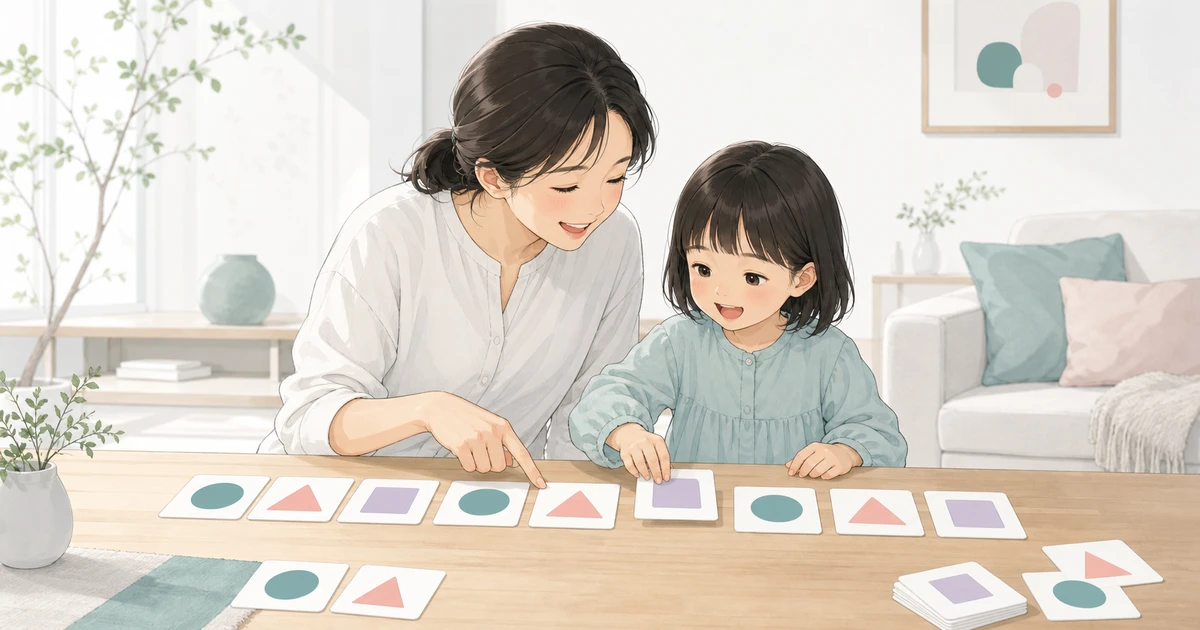
Song: a memory device older than writing
Long before literacy spread, humans carried epics, laws, and rituals by voice alone. Meter, chant, and work songs provided cues for repeating long material, although oral transmission could still change it over time.
Songs remain useful in children's education because learners can join in before they can read and can hear order and grouping. They are one option among pictures, conversation, and hands-on examples, not the best tool for every lesson.
Why the ABC song actually works
The ABC song groups the letter sequence into short phrases and places it on a familiar melody. Times tables often use a different device: rhythmic recitation and repeated number patterns, with or without a tune. Both use sound, but they are not the same design.
Some adults mentally run through the ABC song when asked what comes after P. For them, melody remains a retrieval cue. Others use visual or verbal routes, and the song alone does not teach how letters work in words.
When did adults stop singing?
As material becomes specialized, songs tend to appear less often. Ready-made songs are scarcer, and adult study increasingly asks for explanation, calculation, and judgment that a song cannot supply by itself. There is no single reason adults stop singing.
Even so, a short ordered list may be worth trying as adapted lyrics or rhythmic reading. It will not guarantee recall, but it may add a useful cue. Follow it by explaining the meaning or answering a question.